Volunteer Event 14 June – Improving Paths and Rails!

june-laying- gravel

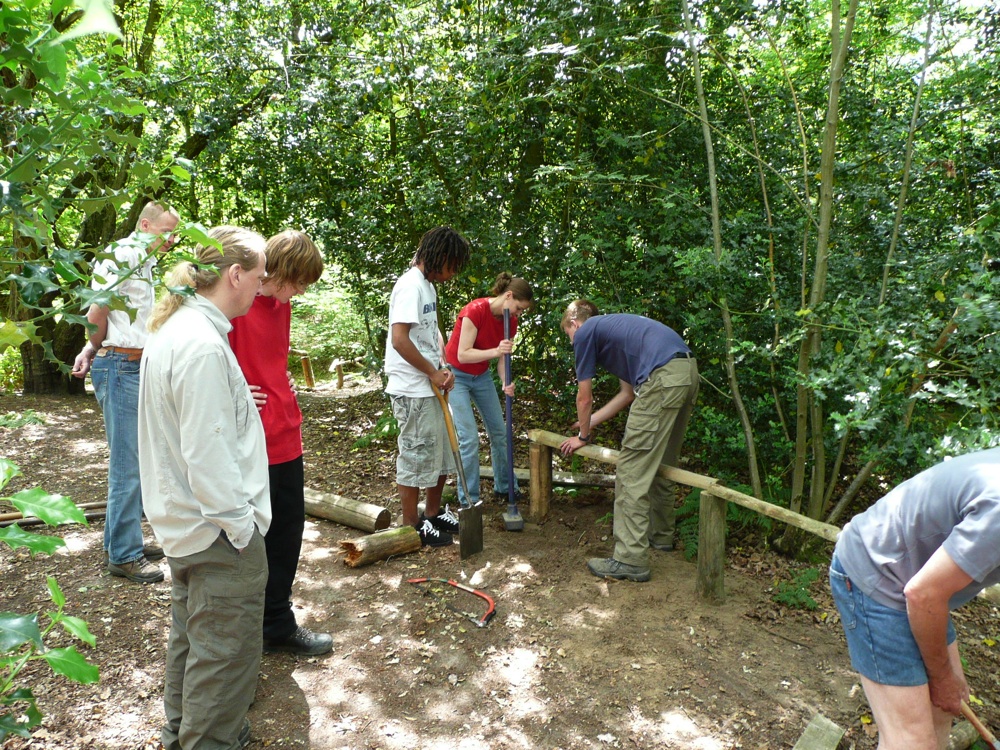
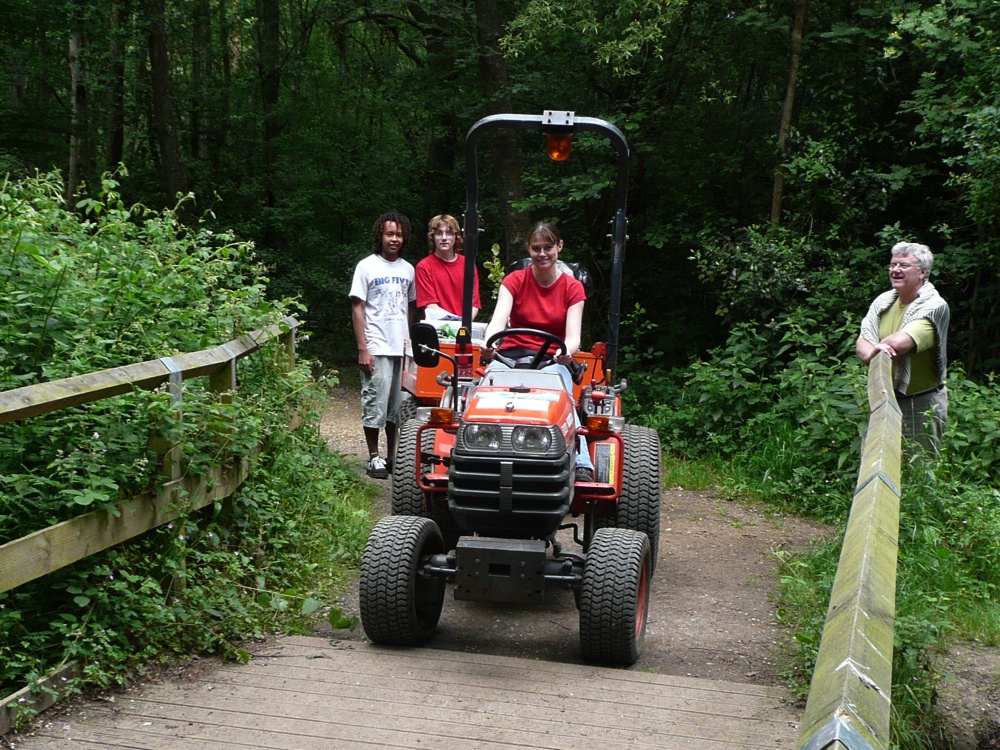
There were two main tasks for this volunteer event – moving excess gravel from one pathway section to another (this was a follow-on to the recent volunteer event with O2) and repairing fence rails north of the picnic site (see photos above and below).

Once again there was a very good turn-out and the weather was excellent – a really invigorating and satisfying way to spend a beautiful Sunday morning!

june-repair-fences

As you can imagine, the tractor was invaluable in transporting the heavy loads around as well as helping flatten the gravel!

This event is the last one for the summer – there will be a break of 2 months with Sunday volunteering starting again in September. A volunteer event schedule for 2009 – 10 will appear shortly on this blog.

june-going-home


Come And See Us At Fleet Carnival 2009

Fleet Carnival 2009

Fleet Pond Society will have a float in this Saturday’s Main Procession which starts at 15:00 (part of Fleet Carnival 2009). Further information on the Carnival can be found on the web site and on Facebook.

If you have some time and would like to be involved by following the float to collect money from the crowds and hand out sweets to the kids, please contact Colin Gray on 01252 616183.  This is a community event, so it can be used to top up hours on Duke of Edinburgh or Trident schemes!

carnival-pop-it-in


2009 Is Painted Lady Year!

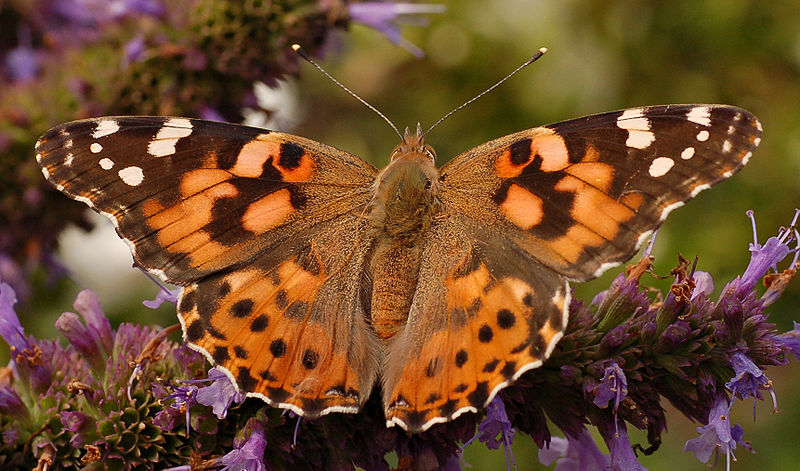
painted_lady_top_closer_wiki

Peter Martin writes:

The Painted Lady butterfly is a migrant that normally arrives in Britain from North Africa in small numbers most years. Sometimes, the weather and breeding conditions are just right to create a situation in which millions of these butterflies reach our shores.

This happened in 1996, when several million Painted Ladies were recorded in this Country. From reports this year, it looks as if even those numbers could be exceeded!

I first saw 2 Painted Ladies in our front garden on 24th May. Barbara and I went to the New Forest for a holiday three days later and, when we went into the front garden of our hotel, on the edge of Lyndhurst, we saw an amazing sight. Dozens and dozens of Painted Ladies were flying from south to north, all following each other along the edge of the trees that formed the garden boundary.

After mating, the females normally lay their eggs on thistles, but some have been seen laying them on stinging nettles this year. With the numbers seen, 2009 is already classed as a “Painted Lady Year”, but we may be in for an even greater surprise. If the next generation emerge from their chrysalides towards the end of July and during August, there may be even more “home grown” Ladies for us to see.

Picture credit here.


Hints and Tips For Photography Competitions

fps-winner1-08

Kevin Whibley of Captured Moment in Fleet has kindly agreed to provide hints and tips for would-be photography competition winners. In addition, with over 20 years  photography experience, Kevin will be delighted to answer any photography question you may have. You can pose questions on this blog by submitting a comment (see below this post).

Today’s question: What is a megapixel?

Each image is made up of a number of dots of different colours. Each dot is called a pixel.  From here you get the number of megapixels (mpg) that your camera has.

For example a 5 mgp camera produces an image made up of 5 million pixels creating an image approximately 1826 pixels high by 2739 pixels wide (1826 x 2739 = 5,001,414).

A 12 mgp camera produces 12 million pixels as follows: 2828 pixels high by 4242 pixels wide (2828 x 4242 = 11,996,376).

So what does the above mean in real terms with regard to the quality of your images? The optimum print quality level is 300 dpi, which means 300 dots for every inch of print. Whilst good print quality can be achieved at lower levels I would not advise going below 150 dpi.

 So from this we can see that our 12mgp cameras optimum image size is 9.5 inches by 14 inches: 9.5” x 300 dpi = 2850 pixels  and 14”  x 300 dpi = 4200 pixels.

An acceptable image can normally be produced up to 20” x 30” from a well taken shot.

Further hints and tips will include hints on lighting, composition etc. Kevin will also reveal why a 12mgp camera may not necessarily produce better pictures than a 5mgp one!

Reminders!

FPS Photo Competition 2009 – deadline for entries: Thursday 31 December 2009

BBC Countryside Photo Competition 2009 – deadline for entries: Friday 4 September 2009

Picture credit: see FPS Photo Competition link above.


June Wildflower Watch – Yellow Flag Iris, Honeysuckle and Yellow Water-lily

Yellow Flag Iris at Boathouse Corner

Michelle Salter writes:

The tall, bright flowers of Yellow Flag iris can be seen throughout the reedbeds and marsh areas surrounding the pond, particularly alongside the path between the station and Boathouse Corner. The large vivid yellow, purple-veined flowers are thought to be the true source of the heraldic Fleur-de-lis emblem rather than the lily. The stylised three-petal emblem has been used for centuries throughout Europe, adorning coats of arms, flags and postage stamps.

Wild honeysuckle in woodland

Woodland around the pond is buzzing with bees enjoying the plentiful supply of honeysuckle. Flowers can last from June through to September, providing nectar for a variety of butterflies and moths. Honeysuckle is great for wildlife as warblers and thrushes eat the berries, and both birds and dormice use the peeling bark from its stems to build nests.

Yellow Water-lilies in the Flash

Yellow water-lily currently decorates the Flash, the small pool of water by the steps to the station car park. Found in standing or slow-flowing water, the flowers of yellow water-lily produce a strong scent of stale alcohol which attracts pollinating flies.

Photo credits: Michelle Salter