All posts by David Pottinger

Ranger’s Notebook – Winter Conservation Work Draws To An End

Joanna Lawrence, the Fleet Pond Ranger, writes:

As we slowly move towards spring, our winter conservation work at Fleet Pond is drawing to an end. Much has been achieved over the last few months to improve and restore many of the wonderful habitats we are lucky enough to have on our doorstep!

Restoration work has continued on the dry heath to improve this rare and valuable habitat. Fleet Pond Society volunteers, volunteer groups from the Environment Agency and Nokia, and Hart Countryside’s Ranger team have all contributed to the clearance of birch scrub on the heath, which in some areas was starting to take over!

nokia-dry-heath-sm

Picture: Volunteers From Nokia Working On The Dry Heath

Although some islands of scrub have been left for birds and other wildlife to use, the removal of scrub is important to let the heathland plants like heather become well established. Stumps are treated with a herbicide to stop the birch growing back, reducing the need to do this work every year! Some species such as willow and aspen are left as these trees are valuable habitats in themselves for many invertebrates.

If left to its own devises, heathland would readily turn back into woodland by a process known as succession. Fleet Pond was once surrounded by this type of heathland but the woodland has encroached on most of it. It is therefore very important to conserve and restore what we have of this rare and threatened habitat.

Restoration of the East Marsh was mentioned a few months back in another blog post. The scrub in this section was cleared and scraped back in September to make way for important wetland plant species. The good news is that this area is already showing signs of new shots of reed and other species growing through.

reedbed-in-snow-sm1

Picture: Cleared Reedbed In The Snow

Another threatened habitat we have at Fleet Pond is reedbeds. This winter we have cleared an area of reedbed on the western side of the Pond. The reasons for doing this form of management are as follows; to keep scrub under control and reduce succession, to maintain structural diversity, and to maintain the vigour of the reeds which is beneficial to species such as reed warblers. The vegetation that is cut is piled at the edges of the reedbed to be used by invertebrates, nesting wrens, and maybe the odd small mammal.
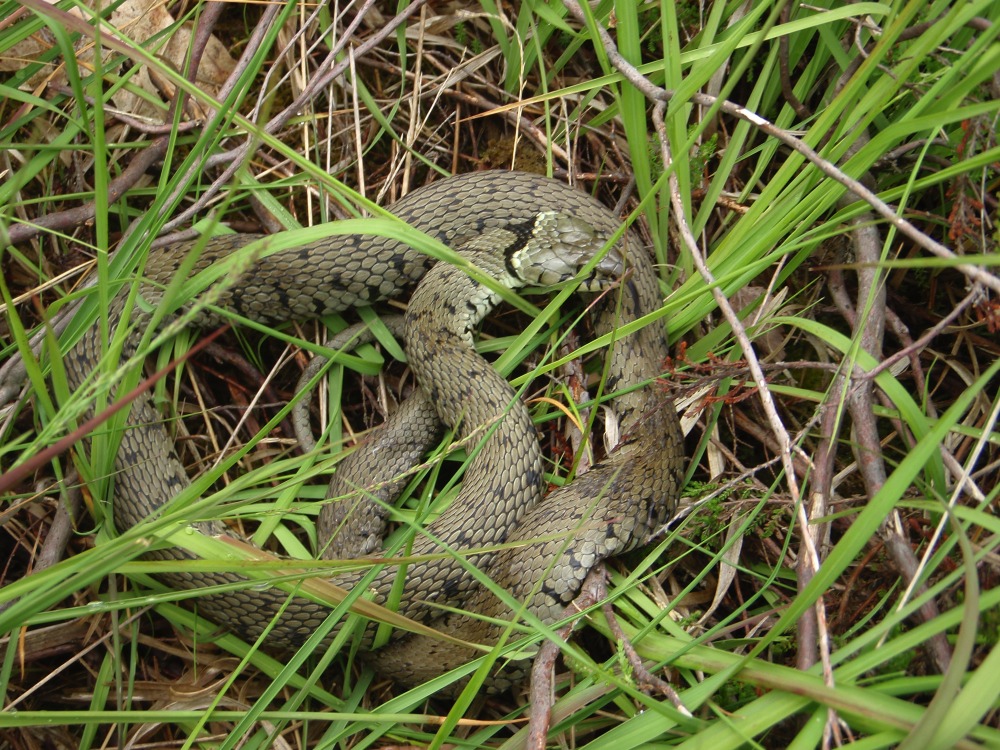
large-grass-snake-sm

Picture: A Large Grass Snake

Grass snakes are commonly found in the wet reedbeds around the Pond and these piles also make great hibernacula for them to lay their eggs in. As the vegetation decays, it produces heat, (as any of you who have compost heaps will know!) which the snakes take advantage of to incubate their eggs.

Over several years, most of the reedbed around Fleet Pond will be cut in small patches like this. This form of long cutting rotations is the best method for maintaining reedbeds while also optimising their wildlife potential by reducing disturbance. Reedbeds that are harvested for thatch need to be cut every year and therefore have less wildlife value.

As ever, the Countryside Service has been supported this winter by Fleet Pond Society who have also carried out important work over the winter season. May I take this opportunity to thank all of those volunteers who have given up their Sunday mornings to help out in all sorts of weather!
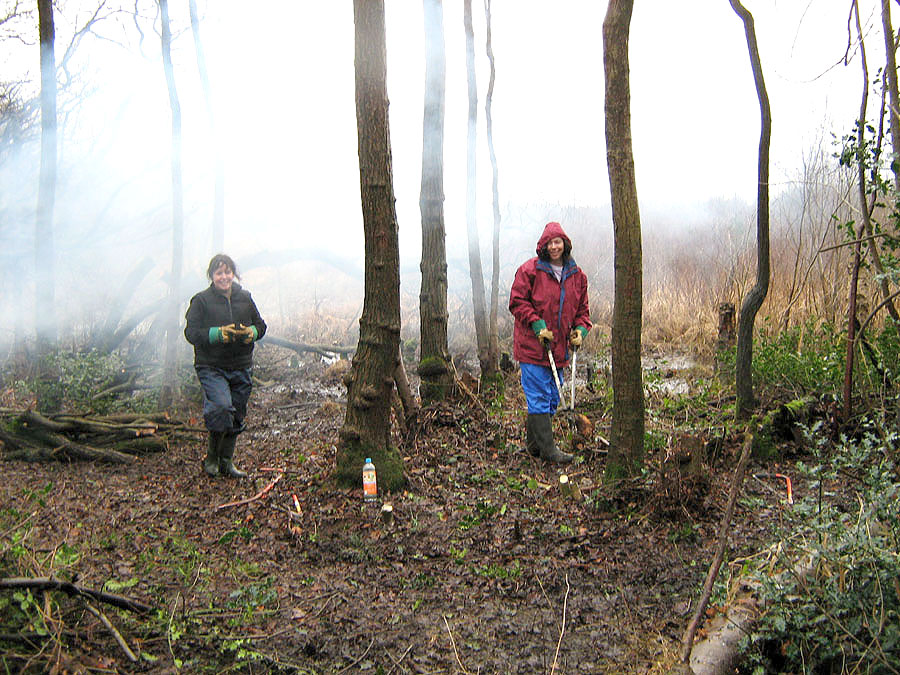
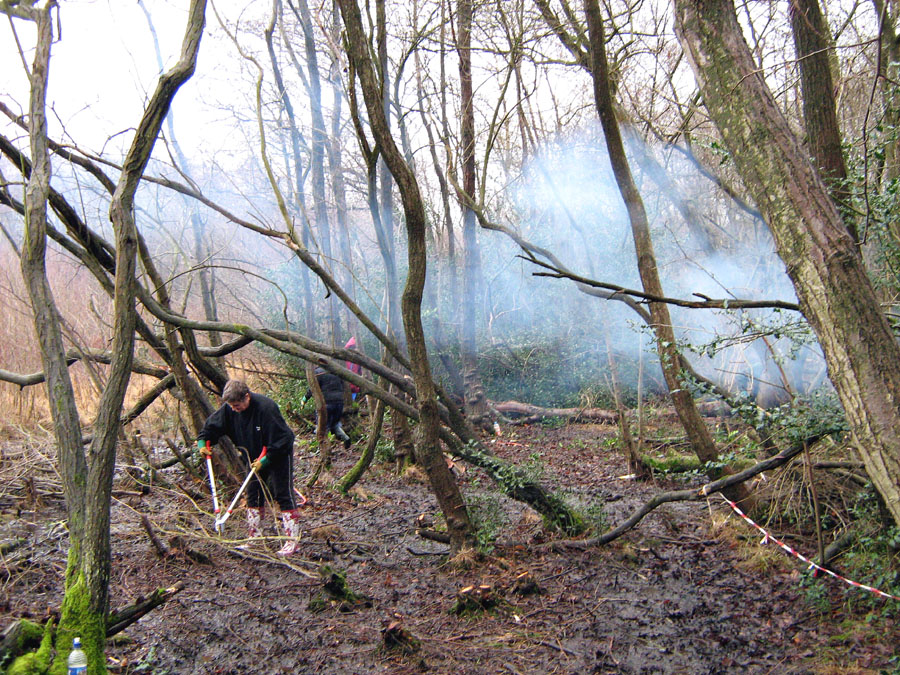
Basingstoke Conservation Volunteers At Fleet Pond

bcv-jan-2

Basingstoke Conservation Volunteers had a work party at Fleet Pond on Sunday 25 January.

Mike Norman writes:

“Despite a dismal weather forecast and unpromising conditions first thing in the morning, five BC volunteers made it out to the Countryside Workshop for 10 am. As conditions were looking up, we turned down the offer of work under cover and headed out to Fugelmere Marsh accompanied by Colin Gray and David Buckler. The original plan to brushcut Bog Myrtle had already been abandoned due to high water levels, so the work was to continue extending the “scallop” in the marsh-side woodland to let in more light. Due to the relatively small numbers, we concentrated on the smaller trees and underbrush (chiefly holly), mostly leaving the larger trees for chainsaws. Defying the wet, we managed to light a bonfire to burn most of the brash, while stacking the larger timbers. By mid afternoon we had cleared a good section of the marsh edge of saplings and brush and, having ensured the bonfire was fully extinguished, were able to head off home for a nice warm bath!”

bcv-jan-1

Snow!

p10002271

Picture: Making The Most of The Day!

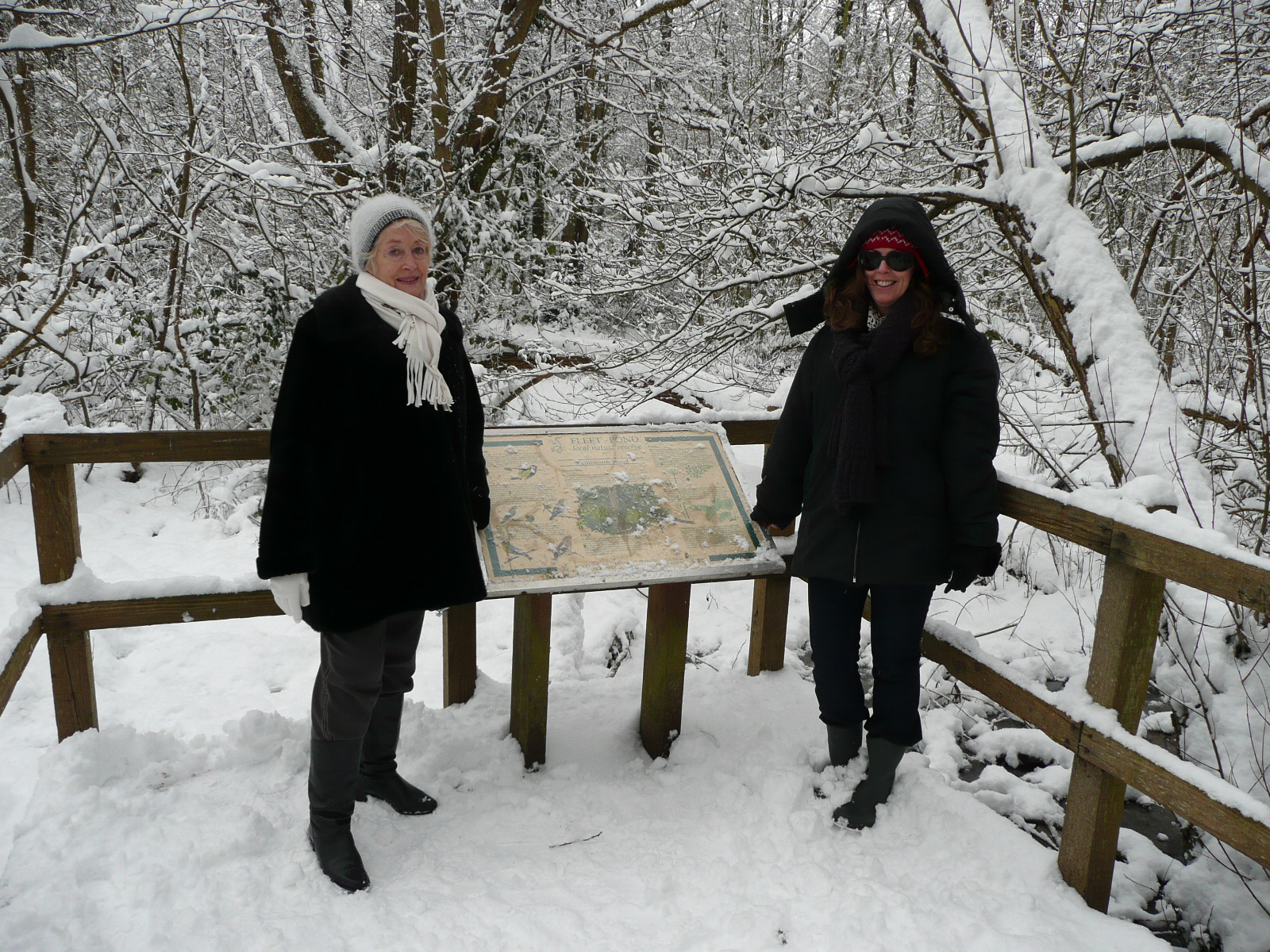
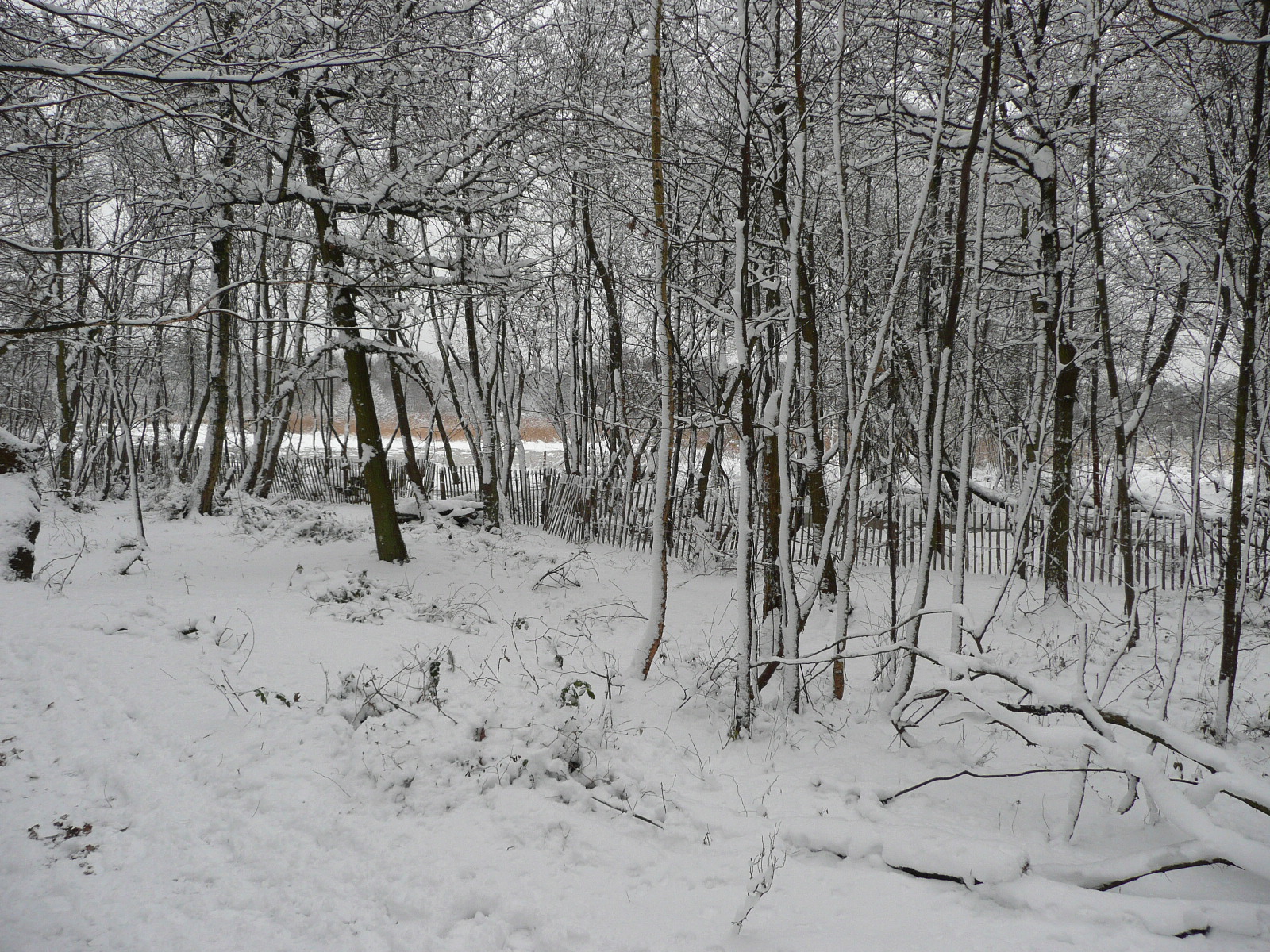
I thought I’d take a few photos around Fleet Pond today to capture the first fall of snow this year. Quite a few people were taking walks (eg see above) and all seemed to be greatly enjoying the change of scenery, especially the children!

p1000230

Black Swan At The Pond

blackie-2

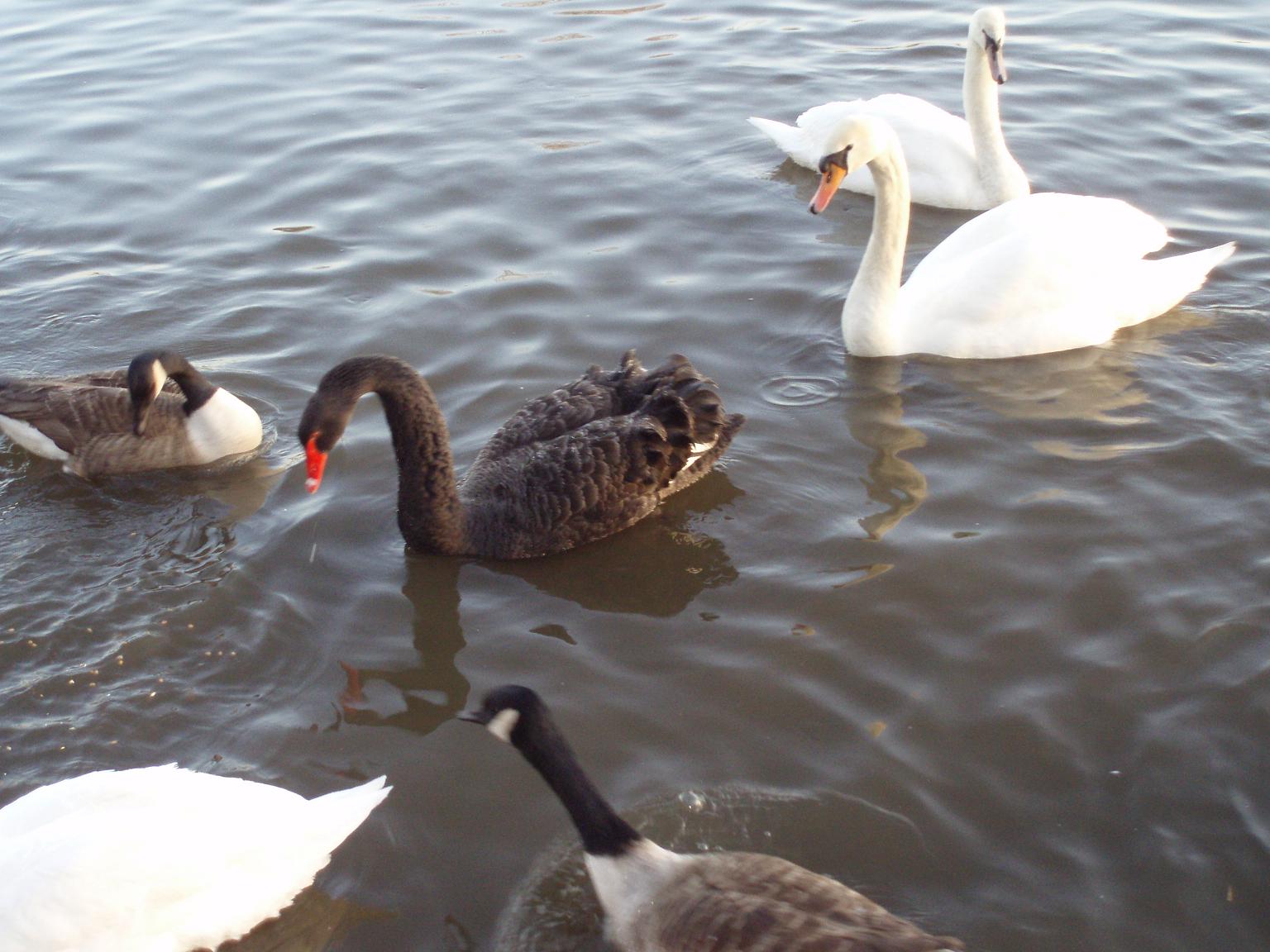
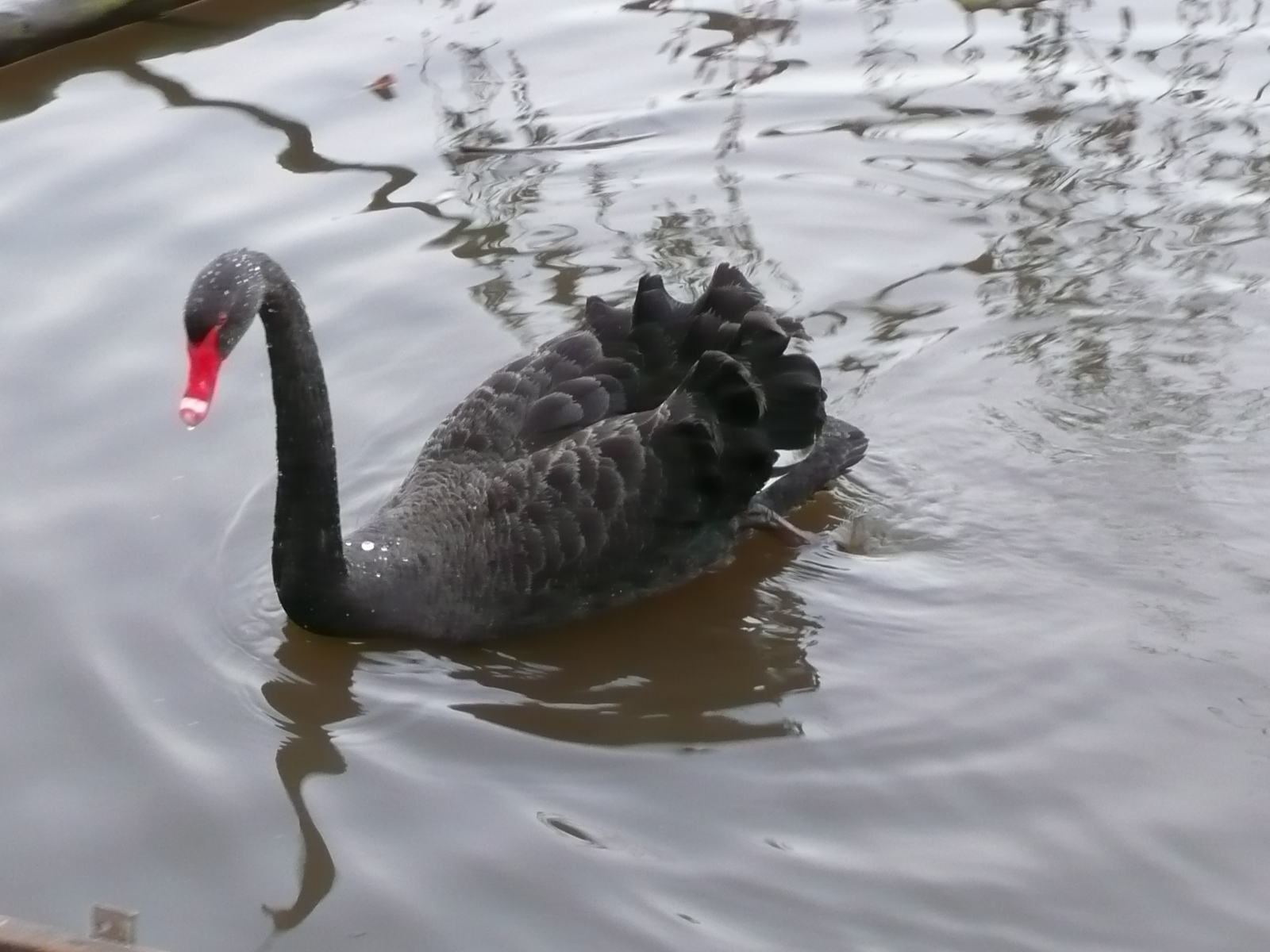
Spotted at the Pond last Sunday and photographed yesterday.

Vicki Jull writes:

“Several years ago we had a black swan stay on the pond for about a year, establishing a love/hate relationship with the resident mute swan pair. The female mute would pick on the black swan but when other mutes invaded their territory it was the three musketeers together against the intruders!

We have had other visits from a black swan at the pond, on one occasion there was even a pair for a couple of days. Could it be the same one coming back again and again?”

blackie-1

From the RSPB Ask An Expert:

“Sightings of black swans have become reasonably common. They could be found on almost any water body. They have similar habitat requirements to mute swans and are often found in the same areas.

Black swans are native to Australia and are the state bird of Western Australia. They were brought to the UK as ornamental birds like peacocks and golden pheasants. Like many other captive birds, they occasionally find their way out into the wild.

They are similar in size to the closely related mute swan. They appear all black when swimming but they have white primary wing feathers, which can be seen in flight. The bill is red with a broad white band on the tip.

Black swans were also introduced to New Zealand where a feral breeding population has become well established. The New Zealand population increased dramatically because they faced very little competition or predation.

There have been occasional reports of successful breeding attempts in the UK but they have not become established. They face competition from our native swans so it is unlikely they could become as well established here as they have in New Zealand.”

p1000221

Picture credits: Vicki Jull (top two) and David Pottinger.