An Admiral At The Pond

Peter Martin writes:

There was a considerable reduction in the number of butterflies normally seen at Fleet Pond Nature Reserve in 2007. With the cold, dull, wet and windy weather, the number of sightings in 2008 has not been much better. Mid-October has produced a few warm and sunny days, however, resulting in the appearance of a number of Red Admirals (pictured above, picture credit here).

Until recent years the autumn brood was normally killed off by our hard winters but milder weather has enabled some butterflies to survive. Last year, the Hampshire and Isle of Wight Branch of “Butterfly Conservation” had records of them being seen in all twelve months of the year, so keep your eyes peeled if you are walking round the Pond and you may see them even during the winter.

Some other members of the Nymphalidae family of butterflies such as the Peacock, Comma and Small Tortoiseshell hibernate during the winter months, but may be encouraged to wake from their slumbers if we get some reasonably warm, sunny days. These and the yellow Brimstone butterflies may also be seen within the Reserve during the winter months.

Peter Martin is the President of The Fleet Pond Society and is a local expert on butterflies. Peter will be providing a series of ‘Butterfly of the Month’ articles from April to September next year.

Further information on butterflies can be found here.


Ranger’s Notebook – Restoration of Habitats

Joanna Lawrence, who is the Ranger for Fleet Pond, writes:

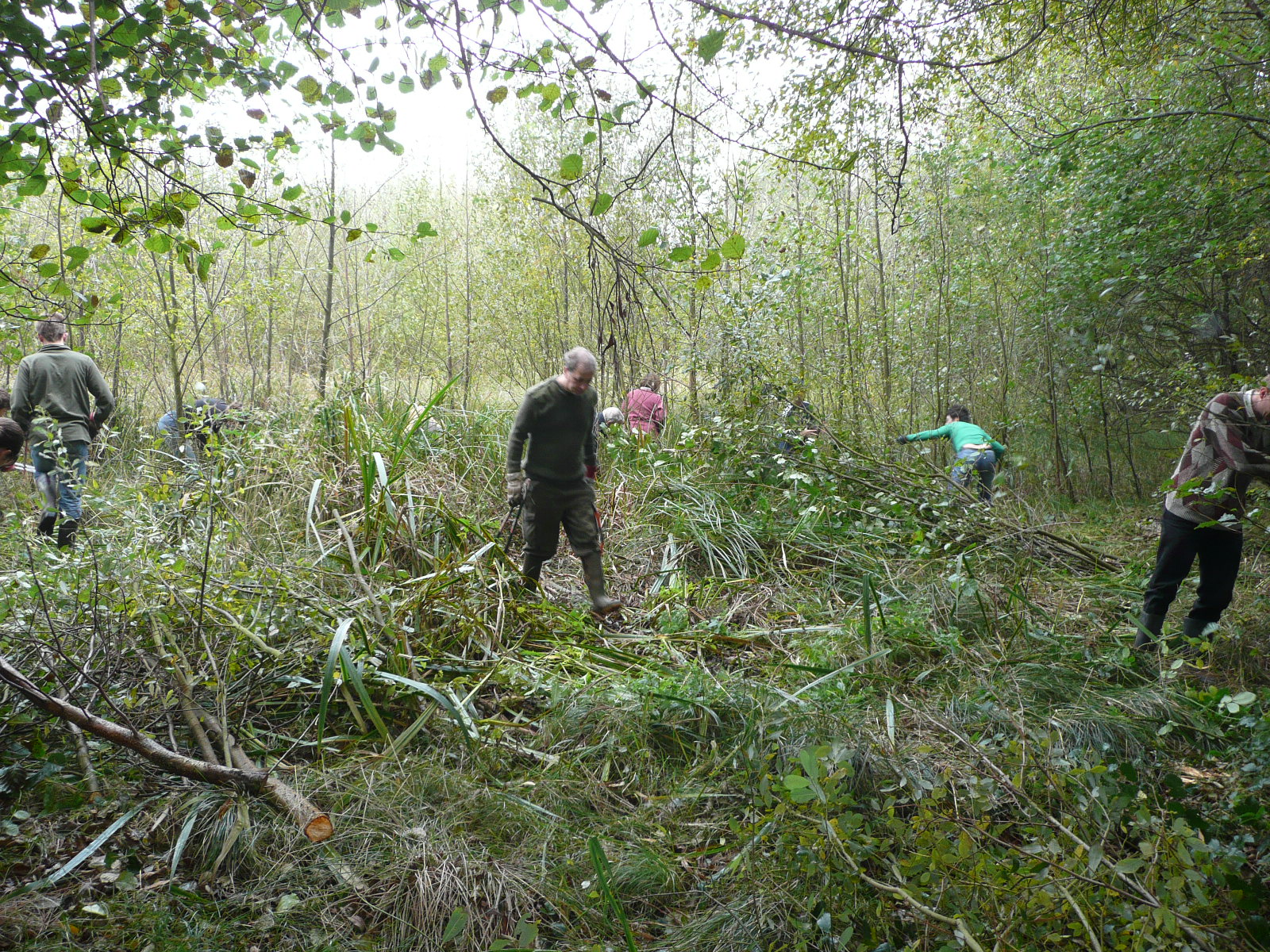
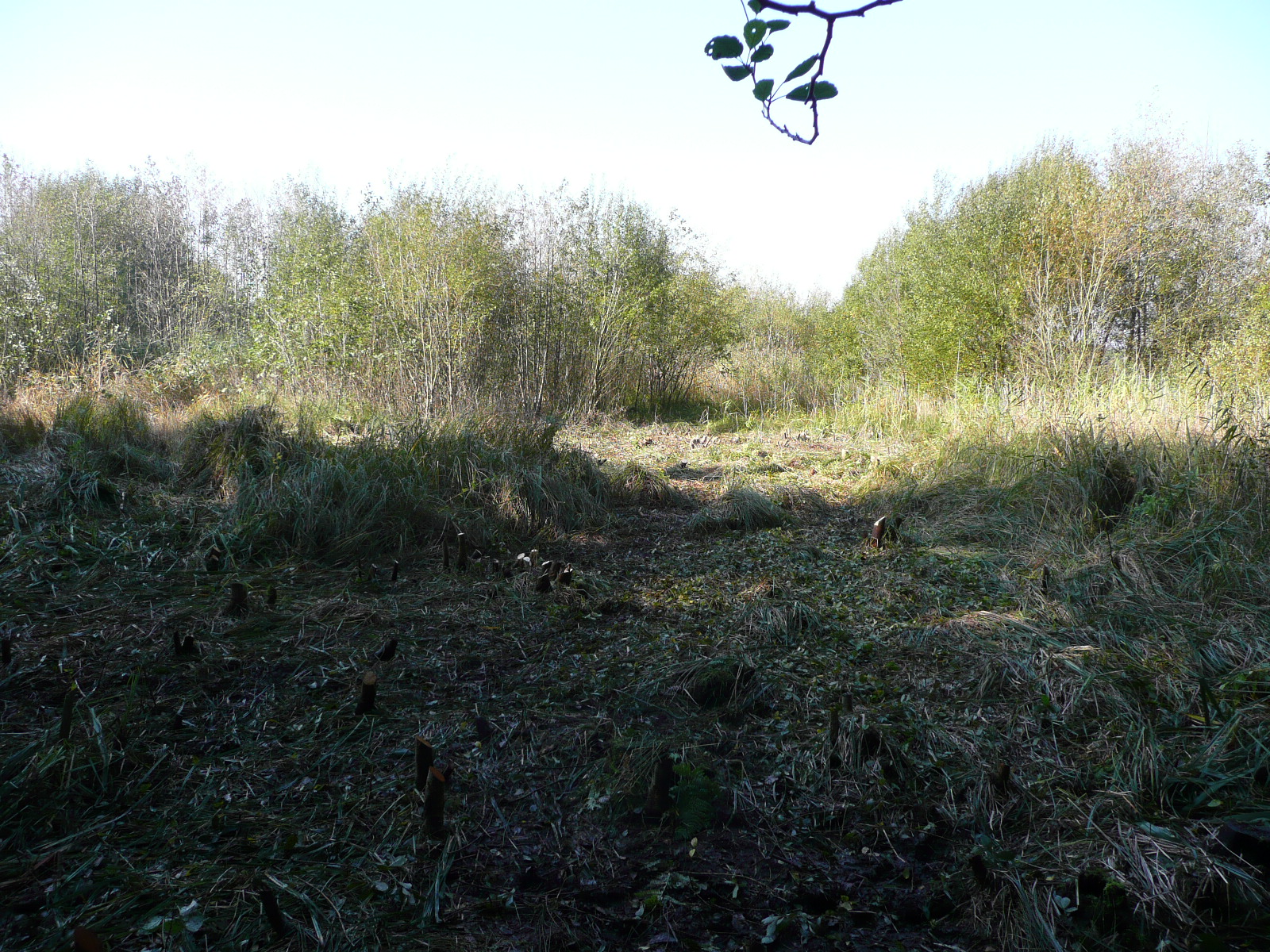
Hart Countryside Service has recently been carrying out heathland restoration at Fleet Pond as well as restoring a valuable area of marsh and reedbed. Local Contractors JDB were at the Pond for a week in September carrying out the important work.

Large areas of heathland, marsh and reedbed have been lost at Fleet Pond due to the encroachment of trees and scrub. In the marsh, the restoration process involved getting rid of the dense scrub and then scraping the top layer of soil off to expose the dormant seed bank underneath.

Previous scrapes in the marshes have been very successful with some plant species that have not been seen at Fleet Pond for 30-40 years reappearing. By next spring/summer, this newest area will have more of these important species growing on it, some of which are rare in Britain or are internationally threatened.

Picture: Lesser Water Plantain, one of the rare plants in the pond marshes.

The scraped area on the dry heath will also have new shoots of heather and other heathland plants pushing through the soil by next summer, further extending this valuable and rare habitat.


Fungi Alert! What Is This?

Michelle Salter writes:

There is some weird and wonderful fungus to be found nestling in the undergrowth and growing on trees at this time of year. Walking around the pond this afternoon, I noticed lots of small, purple coloured fungi growing amongst the leaf litter, particularly along the path by Coldsteam Wood.

Can anyone identify it?

Michelle is the Secretary of The Fleet Pond Society.

Please use comments box below to provide feedback – we’d like to hear from you!


Volunteer Spotlight – Binz Chapman

The first volunteer spotlight is on Binz Chapman. The photo was taken at the volunteering event last Sunday.

In his own words:

“I am one of the regular volunteers with Fleet Pond Society (FPS) and have been working with them for about 3 years. Born and raised in the Weald of Kent, I spent a lot of my childhood out in the local countryside, climbing trees, playing in streams and generally coming home wet and muddy.

I first got involved in conservation in my twenties, when I joined one of BTCV’s (previously The British Trust for Conservation Volunteers) mid-week volunteer teams during a period of unemployment. That’s when I caught the bug for conservation work, it gave me the satisfaction of doing something positive in my life and put me back in touch with the simple childhood pleasure of being in nature.

I now volunteer with both the FPS and also a local Hampshire Wildlife Trust group near my home in North Warnborough. Both have given me a greater knowledge and appreciation of the countryside and wildlife around me.

As well as the practical benefits that volunteering brings to the local environment, my employer provides a ‘matched giving’ fund which means that for every hour I spend volunteering they make a financial donation to the charity involved. In my current career (I’m an environmental consultant for a multinational oil company) I spend nearly all my time in front of a computer screen in an office complex with another 4000 of the company’s employees. It’s great to escape from that corporate culture, to be with nature again and to share time with like minded people.

A couple of years ago I decided that as well as working on local reserves I wanted to take on my own conservation project and that led to the purchase of a small woodland in Kent. This was neglected coppice which is now being managed to increase biodiversity, but also provides firewood, a weekend escape and another excuse to be a child again. For more info on that wood, please visit the Ewar Woowar blog”

Update:

This article has been selected to appear in the News section of the BTCV (formerly The British Trust for Conservation Volunteers) website – see here.