All posts by David Pottinger

Volunteer Event 8th November – Tree Cutting

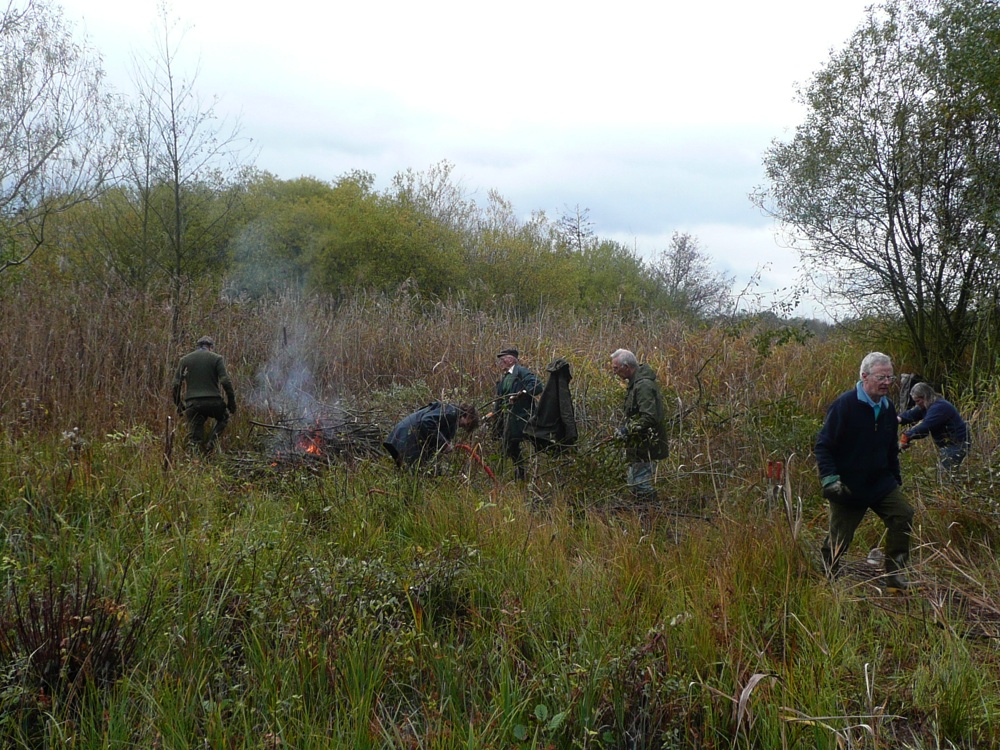
8-11-09 tree chopping

In spite of the inclement weather of the preceding days, Sunday was fortunately quite reasonable for volunteering. There was a very good turnout for the time of year with over 15 present.

The task was to cut down the small trees and and scrub in Gelvert Marsh. It was fairly boggy but nothing that a pair of Wellington’s couldn’t handle.

As you can imagine, lots of sawing was required, both for cutting the trees down in the first place (top photo) as well as removing the major branches.

Some of the cut trees were put together to provide a habitat for small animals and insects (as seen in the front of the photo immediately below) and the rest were burnt (bottom photo). All in all, a good morning’s work!

08-11-09 habitat

08-11-09 the fire

FPS Photo Competition 2009: Tips For Sunrises And Sunsets

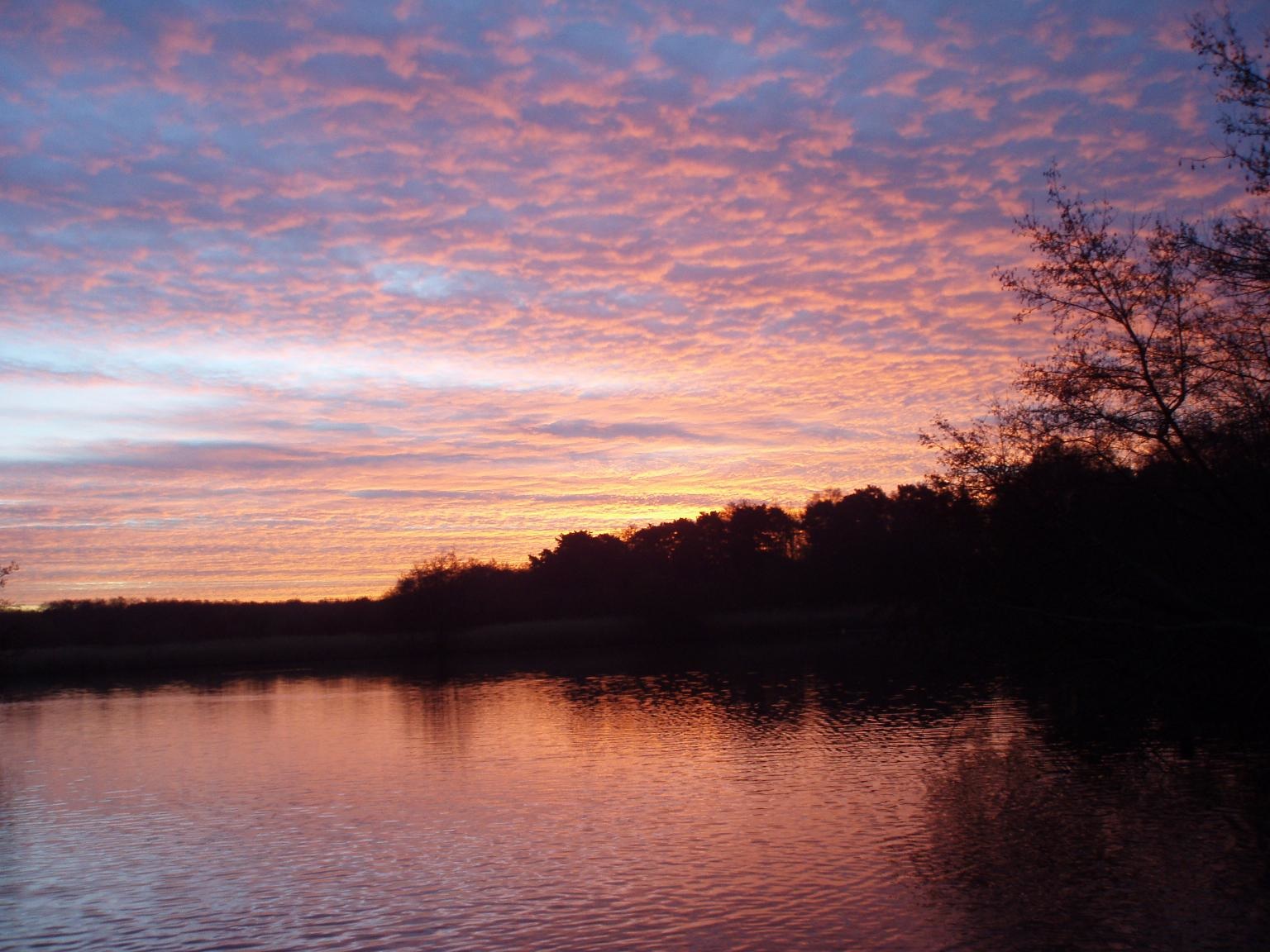
sunrise-1

This year’s FPS Photography Competition (deadline 31 December 2009) has three categories:

  1. Work or Play
  2. Sunrise or Sunset
  3. Birds

Here are some tips for taking stunning pictures of sunrises and sunsets (full details and a few more tips can be found here):

  • Think Ahead – scope out good places and find out when the sun will set or rise
  • Shoot At A Variety Of Focal Lengths – do you want a sweeping landscape shot or something zoomed in?
  • Silhouettes As Focal Points – think of an attractive point of interest incorporating silhouettes
  • Rule Of Thirds – it’s often good to place key elements off-centre
  • Shoot At A Variety Of Exposures – abandon auto-mode and take some shots in aperture or shutter priority mode at different exposures
  • Keep Shooting – until you’re sure it’s all over!

I hope you find these tips helpful and we’re looking forward to your creative submissions!

Picture credit: Vicki Jull

Volunteer Event 11th October – More Muddy Marshes!

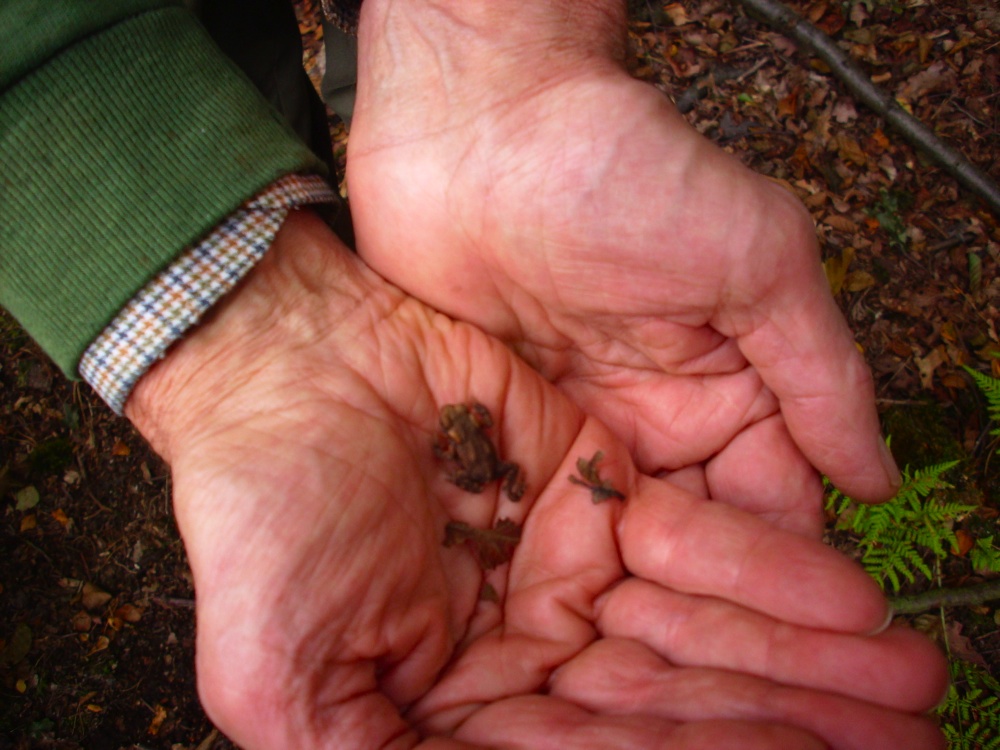
Min Toad Small Sep 09

Baby Toad Found In The Leaf Litter

Colin Gray writes:

Fleet Pond volunteers returned to Fugelmere Marsh for the October task to extend the clearance of alder and sallow scrub.  This large open marsh has become a small forest of regenerating scrub; some almost young trees now. It was a damp day so the volunteers were open to muddy water below and drizzling rain from above ensuring we were all very wet at the end of the day.  Never the less a lot was achieved and the volunteers have opened a wide vista across the marsh to the reedbed beyond.

David Buckler, leader for the day, has a herbicide license and was able to treat a lot of the scrub stumps which will hopefully constrain further regeneration.  Herbicide has usually been around 60% successful thus reducing manual labour in following seasons.

Photo credit: Michelle Salter (taken at the related volunteer event on Sunday 13 September).

Ranger’s Notebook – What To Look For In Autumn

Joanna Lawrence, the Fleet Pond Ranger, writes:

As winter draws in there seems to still be plenty of wildlife to see around Fleet Pond.  Many birds will be feeding themselves up for the winter by feasting on berries and seeds, and bats can still be seen flying around at dusk.  Bats are very busy at this time of year as the males continue looking for females to mate with, while at the same time searching for suitable winter hibernation sites and building up their fat reserves for the winter by feeding on insects.  One adult bat can eat about 3,000 insects in one night.

southern hawker sm

Southern Hawker Dragonfly

If you see any large dragonflies still flying this late in the year, they are Hawkers, the largest type of dragonfly in Britain which can be found flying until late October.  Any seen at Fleet Pond are most likely to be Southern Hawkers, a very beautiful blue, green and black dragonfly, or maybe Brown Hawkers, which have distinctive brown wings.  Common Darters, a smaller red dragonfly, may also be seen until early November.

spiders web sm

Web Of The European Garden Spider

This photo of a spider’s web in the early morning dew was taken on Wood Lane Heath.  The spider that makes these webs is the European Garden Spider, Araneus diadematus. You have probably seen many of these spiders in your garden at this time of year hanging upside-down in the centre of its web.  These are known as the orb web spiders as they create this orb web in order to catch prey.  Not all spiders however make this type of web.  Some families of spider hunt visually and stalk their prey, and then there are numerous different types of spun webs with many families spinning their own variation.

fly agaric sm

Fly Agaric Fungus

Autumn is also a time of the year when the majority of our fungi are fruiting, like the poisonous species Fly Agaric.  This species is easily recognisable due to its bright red colour and can be seen in many places around Fleet Pond.  The one in the photo above was taken at Sandy Bay.

The part of the fungi that you can see is the fruiting body containing the spores, similar to the fruits and seeds produced by plants. The rest of the fungi is hidden underground as thin white threads known as Mycelium.

By breaking down dead organic material, fungi continue the cycle of nutrients through ecosystems. The majority of plants and trees on earth could not grow without the mycelium that inhabit their roots and supply them with essential nutrients. Look out for the multitude of fungi in bloom at this time of year.

(Please note that it is illegal to pick or remove fungi from Fleet Pond Local Nature Reserve.)